
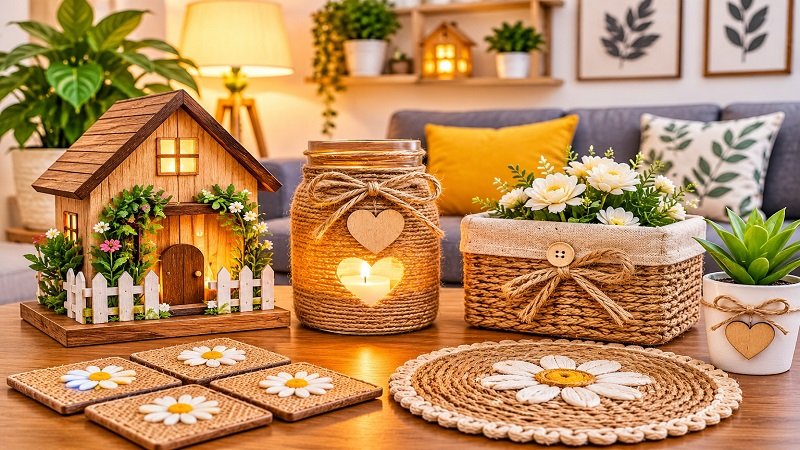
Parents often want simple ways to keep kids busy and creative. Expensive kits and complicated projects leave many feeling frustrated. Inventive LWMFCrafts offer a better path. These are practical, low-mess craft ideas that use everyday household items. They focus on real family life, not perfect Pinterest photos.
The term comes from Look What Mom Found style projects. The core idea stays the same. Use what you already have. Turn ordinary materials into something fun and useful. Kids learn while parents stay sane. Cleanup stays quick.
What Makes These Crafts Different
Most craft ideas demand special tools or trips to the store. Inventive LWMFCrafts flip that approach. Start with cardboard boxes, paper scraps, empty jars, fabric pieces, or bottle caps. Add basic glue, tape, or scissors. The goal is creation, not perfection.
These projects suit busy weeknights. They work for toddlers, school-age kids, and even adults who want a quick creative break. Many take under an hour. Some finish in twenty minutes. The focus stays on process and bonding rather than a flawless end product.
Families report less stress with this style. Kids feel proud of their work. Parents avoid long cleanup sessions. Recycled materials also teach a quiet lesson about waste and resourcefulness.
Why Families Love Low-Mess Creative Projects
Traditional crafts often end with glitter on the floor and paint on the walls. Inventive approaches reduce that chaos. Many ideas use dry materials or peel-and-stick options. Foam shapes, paper folding, and tape-based builds create less liquid mess.
Children develop fine motor skills through cutting, folding, and assembling. They practice problem-solving when a piece does not fit. Shared projects build conversation and cooperation. Screen time drops naturally when hands stay busy with real objects.
Sustainability fits naturally here. Old newspapers become seed pots. Fabric scraps turn into bunting. Jars become planters or lanterns. Nothing expensive gets wasted. Kids see that useful things can come from what others throw away.
Simple Projects You Can Start Today
Try these beginner-friendly ideas. Most need materials already in the house.
Newspaper Seed Pots
Roll strips of newspaper around a small glass or can. Fold the bottom closed. Fill with soil and plant seeds. When ready, plant the whole pot in the ground. It breaks down naturally. No plastic pots needed. This project takes about twenty minutes and costs almost nothing.
Fabric Scrap Bunting
Cut leftover fabric into triangles. Tie or staple them along a piece of string or twine. Hang it for birthdays, parties, or everyday decoration. No sewing required. Mismatched colors look charming. Kids enjoy choosing the pieces and arranging the order.
Jar Herb Garden
Clean empty glass jars. Add a layer of small stones for drainage. Fill with soil. Plant easy herbs such as mint, basil, or chives. Place them on a sunny windowsill. Children water them and watch growth. The project combines craft with a living result.
Cardboard Box Creations
Transform cereal boxes or delivery boxes into dollhouses, cars, or castles. Cut windows and doors. Decorate with markers, stickers, or paper. Add bottle-cap wheels or paper furniture. Imagination leads the way. Cleanup stays easy because everything packs back into a bin.
Foam Mosaic or Shape Art
Use thick foam sheets or peel-and-stick foam shapes. Kids press pieces onto cardboard to make pictures or patterns. No glue mess. The tactile feel works well for younger children. Finished pieces hang as wall art or become play scenes.
These projects stay flexible. Adapt them to what you have. Swap materials as needed. The inventive part comes from solving small problems with available items.
Tips for Smooth Family Crafting Sessions
Prepare a simple setup before starting. Cover the table with newspaper or a plastic mat. Gather materials in one tray or bin. Set a clear time limit if attention spans run short.
Keep instructions short and visual. Show one step at a time. Let kids make choices about colors and designs. Avoid correcting every detail. The joy comes from doing, not matching a sample exactly.
Store leftover pieces in a dedicated craft box. Reuse them for future projects. This habit reduces shopping and clutter.
For younger children, focus on large pieces and simple actions. Older kids can handle more cutting and detailed assembly. Adults can join by modeling calm problem-solving when something goes wrong.
Safety stays important. Supervise scissors and small parts with little ones. Choose non-toxic glue when possible.
Benefits Beyond the Finished Craft
These activities support more than creativity. Kids gain confidence from finishing something they made. They practice patience and focus. Parents get moments of connection without pressure.
Many families notice calmer evenings after a short craft session. The shared activity creates positive memories. Over time, children begin suggesting their own ideas. That shift from following instructions to inventing shows real growth.
Home spaces also improve. Handmade decorations feel personal. Seasonal projects mark the year without big spending. A jar lantern or paper flower arrangement adds warmth that store-bought items often lack.
Building a Habit of Inventive Making
Start small. Choose one project this week. Notice what works for your family. Some kids prefer quiet paper folding. Others love building with boxes. Adjust accordingly.
Keep a running list of materials you already own. Check the recycling bin before buying anything. Over time the habit of looking at ordinary objects with creative eyes grows stronger.
Share finished projects with grandparents or friends if you like. The simple act of giving a handmade card or decoration teaches generosity. Photos of the process can become a family record without needing social media.
Final Thoughts on Keeping Creativity Accessible
Inventive LWMFCrafts remind us that creativity does not require expensive supplies or perfect conditions. Everyday materials and a willingness to try turn ordinary afternoons into something memorable. Families gain skills, reduce waste, and spend real time together.
The best projects feel doable on a Tuesday night after school. They leave the table mostly clean and the kids proud. That combination keeps people coming back to craft again and again.
Pick one idea from this list. Gather what you have. Begin. The results may surprise you, and the process will almost certainly feel rewarding.

Sidra Kousar is a passionate writer interested in home decoration and interior ideas.
She enjoys sharing simple and creative ideas to make homes more beautiful and comfortable.
Her writing focuses on practical DIY decor, interior styling, and useful home tips.
She believes that small decoration changes can create a fresh and welcoming space.
Through her content, Sidra aims to inspire readers with easy and thoughtful home decor ideas.