
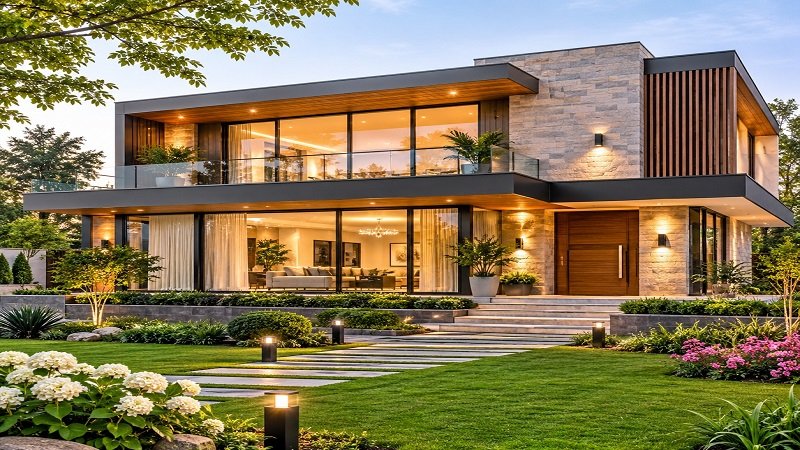
A beautiful home does not always start with a big budget or a complete renovation. Many people believe that good design is only possible when you hire expensive professionals or spend large amounts of money. In reality, the most useful design ideas often come from understanding how space, light, and function work together. When you look at the approach shared on platforms like kdarchitects.net, you see a clear focus on creating spaces that feel natural to live in rather than spaces that only look good in photographs.
This kind of thinking is valuable for everyday homeowners. You do not need to redesign your entire house. You only need to understand a few core principles and apply them in simple ways. Below are practical lessons that can help you improve your home without overspending.
Focus on How You Actually Live
One of the strongest ideas in thoughtful architecture is designing around real daily life. Instead of copying trends, the focus stays on how people move through a space, where they rest, where they store things, and where they spend the most time.
You can apply the same idea in your own home. Walk through each room and ask simple questions:
- Where do things usually get left around?
- Which corner feels dark or unused?
- Which space feels crowded even when it is not full?
Once you notice these patterns, small changes become easier. For example, placing a small shelf near the entrance can stop bags and keys from spreading into the living room. Adding a narrow console table behind a sofa can create a useful surface without taking extra floor space. These are not expensive upgrades. They are smart adjustments based on how the home is actually used.
Let Natural Light Guide the Design
Light plays a major role in how a room feels. Many modern architectural projects give careful attention to where light enters and how it moves during the day. You can use the same principle without major construction.
Start by observing your rooms at different times of the day. Notice which areas receive morning light and which stay dim. Then make small improvements:
- Keep window areas free from heavy furniture
- Use light-colored curtains that still allow daylight
- Place mirrors opposite windows to reflect light deeper into the room
- Choose lighter wall colors in spaces that feel closed
Even a single well-placed mirror or a change in curtain fabric can make a room feel larger and more open. These changes cost very little but improve the overall atmosphere of the home.
Create Clear Zones Without Building Walls
Open spaces look attractive, but they can also feel messy if everything blends together. Good design often creates soft zones that help the eye understand different areas of the home.
You can do this without adding walls. Try these simple methods:
- Use a rug to define a seating area
- Place a bookshelf or open shelf unit as a gentle divider
- Keep dining chairs visually different from living room furniture
- Use consistent lighting styles within each zone
When each area has a clear purpose, the home feels more organized. This approach is especially useful in small apartments or shared family spaces where every square foot matters.
Choose Materials That Age Well
Many homeowners focus only on how something looks on the first day. Thoughtful design also considers how materials will look after months of daily use. Surfaces that scratch easily or fabrics that show every mark create extra stress over time.
When selecting furniture or finishes on a budget, prefer options that are practical:
- Matte finishes hide small marks better than high-gloss ones
- Natural wood tones or textured laminates are easier to maintain
- Washable fabric covers make sofas more family-friendly
- Simple hardware lasts longer than decorative pieces that break easily
You do not need luxury materials. You only need materials that support everyday living without constant worry.
Keep Storage Visible but Controlled
Clutter is one of the biggest reasons homes feel uncomfortable. Architecture that focuses on daily life usually includes smart storage that is easy to reach and easy to maintain.
You can improve storage in any home with a few low-cost ideas:
- Use baskets or closed boxes on open shelves
- Add hooks on the inside of cabinet doors
- Install floating shelves in unused vertical spaces
- Keep a small tray or bowl for daily items like keys and chargers
The goal is not to hide everything. The goal is to give every item a clear place so the space stays calm.
Balance Style with Comfort
A common mistake is choosing furniture or décor only because it looks modern. Comfort should always come first. A chair that looks stylish but is uncomfortable will rarely get used. A sofa that is too formal will make the living room feel less welcoming.
Before buying anything new, test how it feels. Sit on it. Check the height. Think about how it will work with the rest of the room. When comfort and appearance work together, the home feels more natural and lived-in.
Start Small and Build Slowly
One of the most useful lessons from careful design practice is that good results do not require everything to change at once. Large renovations can be stressful and expensive. Small, thoughtful updates often create better long-term results.
Pick one room or even one corner. Improve the lighting. Clear the clutter. Add one useful piece of storage. Once that area feels better, move to the next. This steady approach keeps costs under control and helps you learn what actually works in your home.
Final Thoughts
Beautiful homes are not created only by big budgets or dramatic renovations. They are created by understanding how space, light, storage, and daily habits work together. Looking at the design mindset reflected on sites like kdarchitects.net reminds us that good architecture starts with people, not just appearance.
You can use the same principles in your own home. Focus on how you live. Improve light. Create clear zones. Choose practical materials. Keep storage simple. Make comfort a priority. And most importantly, take one step at a time.
These changes do not require professional redesign. They only require careful observation and small, consistent improvements. Over time, these simple decisions can turn an ordinary home into a space that feels calm, functional, and truly comfortable to live in.

Sidra Kousar is a passionate writer interested in home decoration and interior ideas.
She enjoys sharing simple and creative ideas to make homes more beautiful and comfortable.
Her writing focuses on practical DIY decor, interior styling, and useful home tips.
She believes that small decoration changes can create a fresh and welcoming space.
Through her content, Sidra aims to inspire readers with easy and thoughtful home decor ideas.